 View All
Uncategorized
Moroccan Hash Guide: Beldia, Grades and How to Spot the Real Thing
Jul
The short version: real Moroccan hash is made by sieving dried cannabis resin through fine screens and pressing it into blocks. The best of it comes from beldia, the traditional Moroccan landrace, and you can tell genuine hash from cut hash by how it smells, how it softens in your hand, and whether it bubbles when you spark it. This guide covers all three.
What is Moroccan hash?
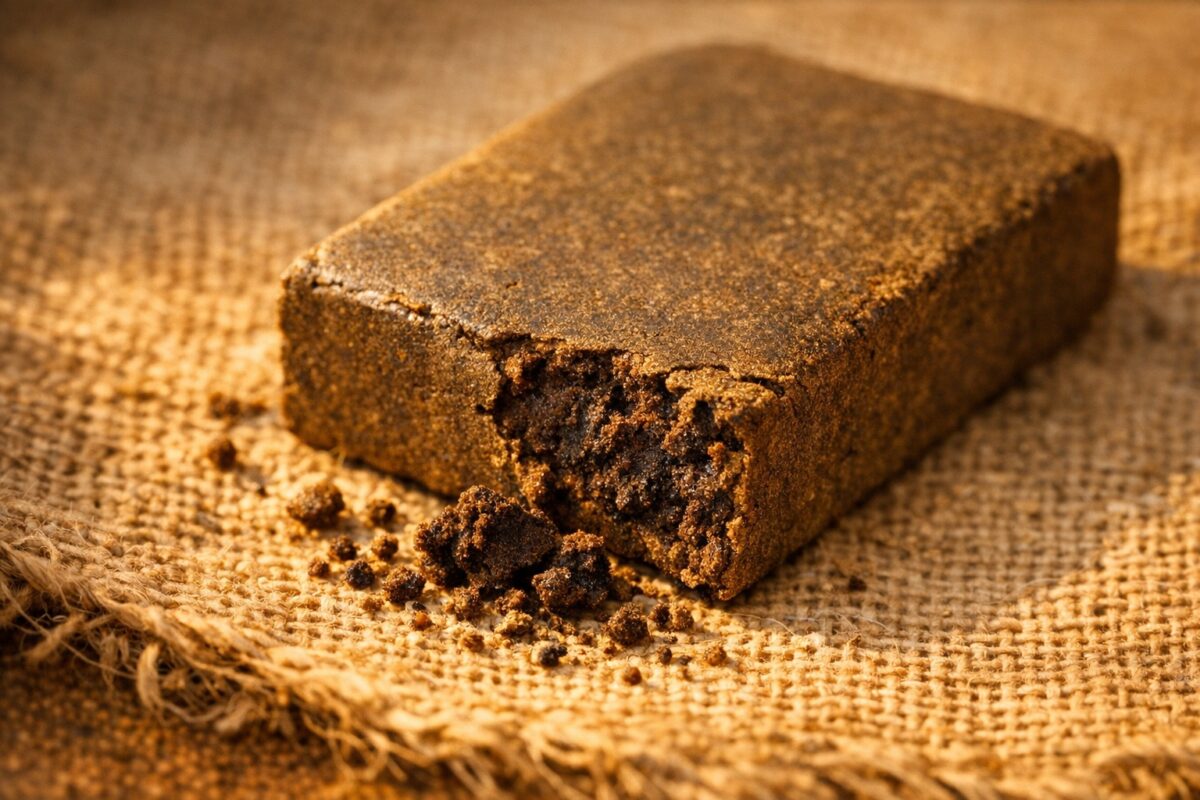
Moroccan hash is compressed cannabis resin, made by separating the trichomes from dried plants and pressing that resin powder into slabs. It comes from the Rif mountains in northern Morocco, which has produced hash for generations. The process is simple and mechanical: no solvents, no chemistry, just dried flower, fine screens, and pressure. That is what gives traditional Moroccan its clean, spicy character.
What is beldia hash?
Beldia is the traditional Moroccan landrace cannabis, and it is the plant behind classic Moroccan hash. The word means local or traditional, and it refers to the older, hardy genetics that Rif farmers grew long before modern hybrids arrived. Beldia produces a softer, more aromatic resin with the floral, slightly spicy nose that people mean when they talk about proper old-school hash.
In recent years a lot of Moroccan production switched to higher-yielding hybrid strains, which give more resin but a flatter, less characterful smoke. This is why beldia hash is sought out: it is the real traditional article, not the mass-yield version. When we list beldia in our hash selection, that is the genetics we mean.
How is traditional Moroccan hash made?
The plants are dried, then the resin is sieved off through fine mesh screens and pressed. The number of times the resin is sieved decides the grade: fewer passes leave more plant matter and make a darker, coarser hash, while more passes yield a cleaner, blonder, more potent product.
The steps, plainly:
- Drying. Harvested cannabis is dried until the resin heads turn brittle and separate easily.
- Sieving. The dried plant is shaken over fine screens so the resin powder falls through and the leaf stays behind. Finer screens and more passes mean a purer collection.
- Pressing. The resin powder is pressed, often with gentle heat, until it binds into a solid block. Good pressing gives hash that is firm but still pliable when warmed.
Nothing in that chain requires a solvent. If a piece smells chemical or plasticky, that is a red flag, which brings us to the next part.
How do you tell real hash from cut hash?
Genuine hash softens with warmth, bubbles gently when you burn a corner, and smells of spice and flowers rather than solvent. Cut or fake hash is stiff, gritty, or chemical-smelling because weight has been added with things that are not resin. Three quick checks tell you almost everything.
- The warm test. Hold a piece between your fingers or warm it briefly. Real hash softens and becomes pliable. If it stays rock hard or crumbles like clay, be suspicious.
- The bubble test. Hold a flame to a corner. Quality resin bubbles and smells fragrant. Adulterated hash tends to just char, smoke black, or smell acrid.
- The smell and feel. Good Moroccan smells spicy, floral, a little earthy. It should not smell of plastic, diesel, or nothing at all. Rub a little between your fingers: grit or sand means something was added for weight.
Common adulterants used to bulk hash out include sand, henna, wax and even plastic. None of them belong in resin, and all of them show up in these three tests. Buying from a seller who tells you the origin and grade removes most of the guesswork.
What is the difference between blond and dark hash?
Blond hash is usually cleaner and more finely sieved, while darker hash has more plant matter or has oxidised with age and pressing. Colour alone does not decide quality, but a light gold, pliable, fragrant piece is generally a sign of careful sieving. Darker hash can still be excellent if it passes the warm, bubble and smell tests: some traditional styles are meant to be darker and denser.
How should you store hash?
Keep hash airtight, cool and out of direct light, the same as flower. Resin holds up better than bud over time, but heat and air will dry it and dull the aroma. A small sealed container in a cupboard keeps a piece pliable and fragrant for months. If it has gone hard from age, gentle warmth brings it back to a workable texture.
To compare what live hash listings actually cost per gram across sellers today, the LittleBiggy hash price index sorts every hash listing cheapest first in GBP, Moroccan and otherwise.
Common questions
Is beldia hash stronger than modern hash?
Not necessarily stronger in raw terms, but it is more characterful. Beldia is prized for its aroma and smooth, traditional effect rather than sheer potency. Modern hybrids can test higher while smoking flatter and less interesting.
Why does good hash bubble when you burn it?
Because pure resin melts and vaporises cleanly. The bubbling is the trichome oils reacting to heat. Hash cut with non-resin fillers cannot do this the same way, which is why the bubble test is one of the oldest quality checks there is.
Is Moroccan hash better than other types?
It is a style, not a ranking. Moroccan is loved for its spicy, floral, sieved-and-pressed character. Afghan and other regional hashes are made differently and taste different. Quality within each style matters more than the country on the label.
How do I know the hash I buy is genuine?
Buy from a seller who names the origin and grade, then run the warm, bubble and smell tests yourself when it arrives. A store that stands behind what it sells, with reviews and a clear policy, is worth far more than a cheap mystery block.
